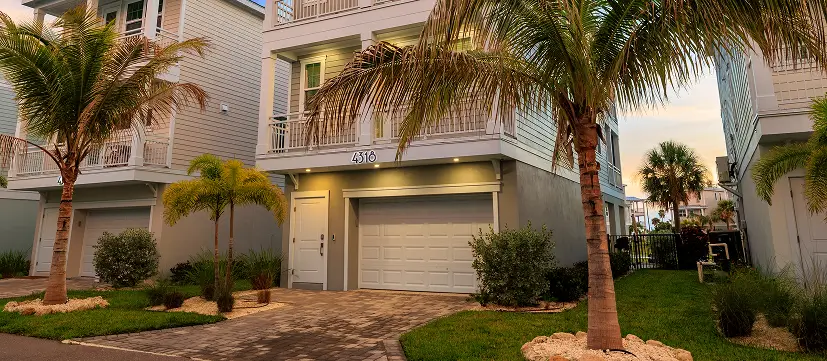
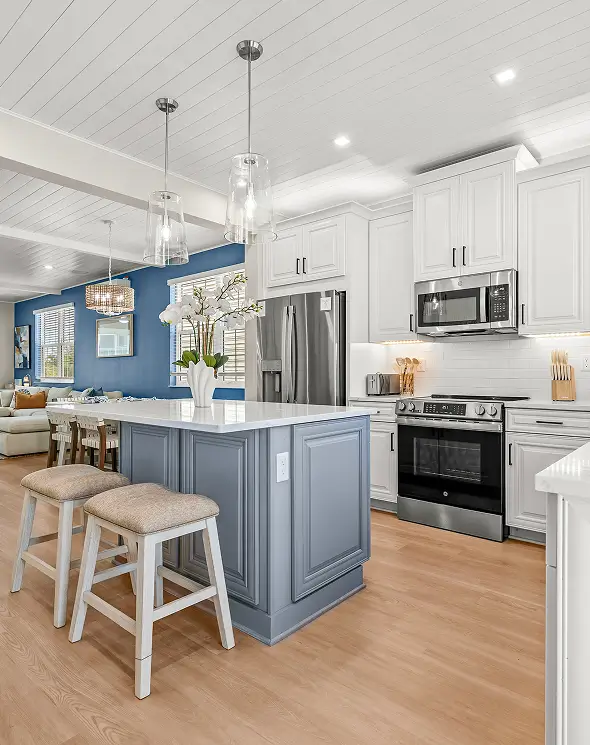
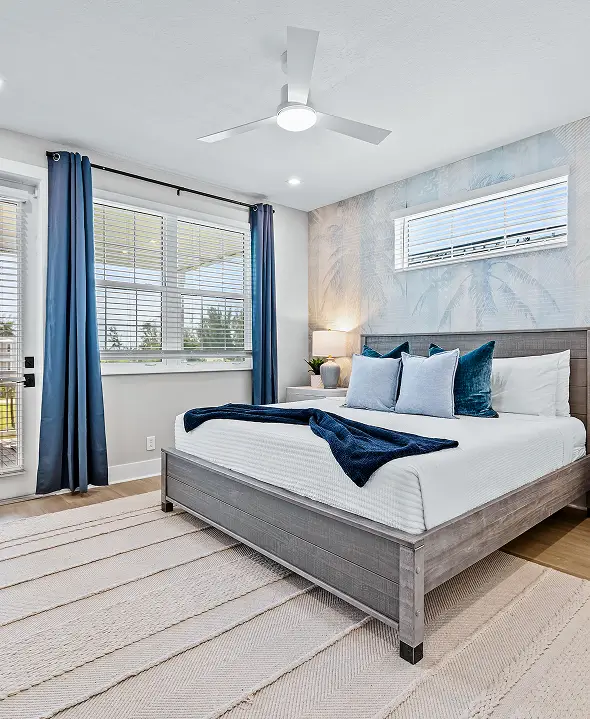
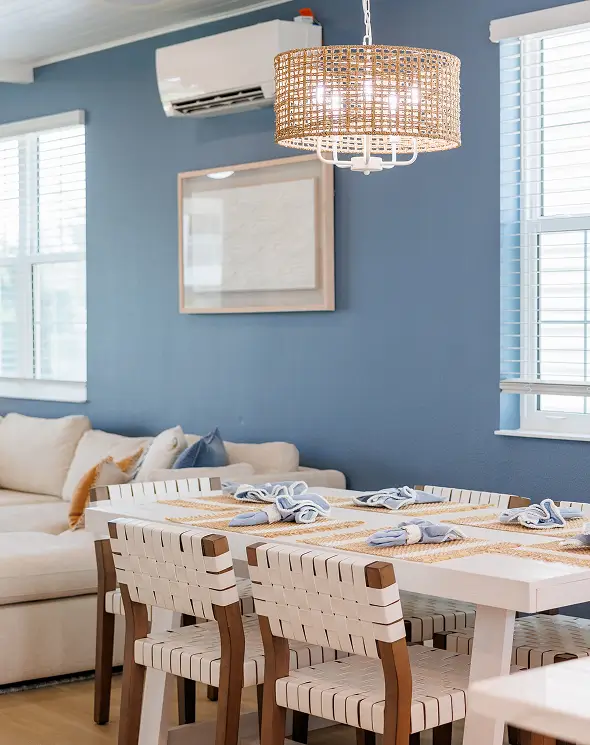
The property was already an established short-term rental and was not a failing asset. The owner simply believed it could perform somewhat better and wanted fewer ongoing maintenance and operating costs.
Before Coast to Cabin, the home was generating approximately $62,000 in annual revenue at 58% occupancy. Pricing relied largely on flat rates with static weekend and seasonal increases, which created opportunities to better respond to short-term demand spikes, local events and changing booking behavior.
The operating model also created recurring friction for the owner. Examples included separate $50 grill-cleaning charges even though turnover cleaning was already funded through the guest cleaning fee, $10 charges for individual remote-control battery replacements, separate property-visit charges and additional vendor-coordination fees. These types of charges occurred on a recurring monthly basis.
Routine inspections and maintenance were also being handled by blocking approximately two days each month. That removed roughly 24 nights per year from potentially sellable inventory even when much of the work could be coordinated during normal guest turnovers.
Guest feedback also showed an opportunity to improve cleaning consistency. The property carried an overall rating of approximately 4.70, with cleaning among the areas generating guest complaints.